When people search online, they are not always looking for a general answer. Many are looking for something nearby, available, and relevant to their location.
That is where SEO geo targeting becomes useful.
For local businesses, service providers, freelancers, clinics, agencies, and shops, ranking for broad keywords is not always the best goal. A business does not need to reach everyone. It needs to reach the right people in the right location.
SEO geo targeting helps your website appear in front of users searching for products, services, or information connected to a specific area. This makes your content more relevant, especially when your target audience is local.
What Is SEO Geo Targeting?
SEO geo targeting is the process of optimizing website content for a specific location. This location can be a city, province, region, country, neighborhood, or service area.
In simple terms, it helps search engines understand where your business is relevant.
For example, instead of targeting a broad keyword like:
SEO content specialist
You can target a more specific keyword like:
SEO Content Specialist in Iligan City
The second keyword is more focused because it includes location intent. It tells search engines and users that the service is connected to Iligan City.
This is important because many users search with location-based intent. They may type “near me,” include their city name, or look for services available in their area.
Why SEO Geo Targeting Matters for Local SEO
SEO geo targeting is important because local search is based on relevance. When someone searches for a service in a specific place, Google tries to show results that match the user’s location and intent.
For local businesses, this can help attract better traffic. These users are not just browsing. They are often closer to taking action, such as calling, booking, visiting, or sending an inquiry.
For example, someone searching for “SEO content writer in Iligan City,” “dental clinic near me,” or “local SEO services near me” is not only looking for information. They are looking for a service provider that fits their location.
This makes geo-targeted content valuable because it connects your website with people who are already searching for what you offer.
SEO Geo Targeting vs Local SEO
SEO geo targeting and Local SEO are connected, but they are not exactly the same.
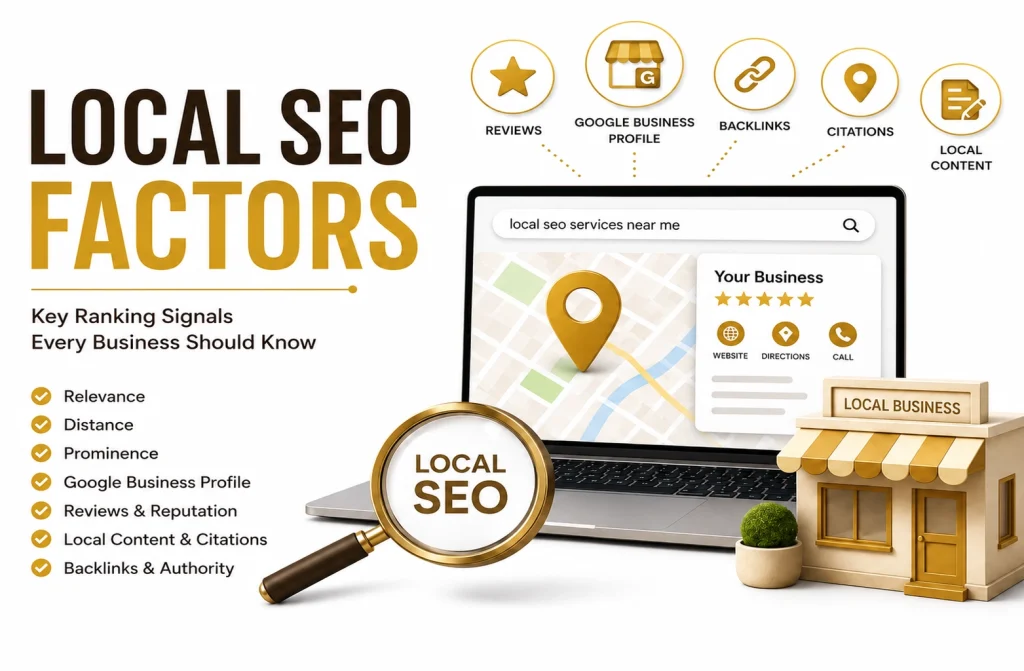
Local SEO is the complete strategy for improving your visibility in local search. It includes your website, Google Business Profile, reviews, local citations, maps, local links, and business information.
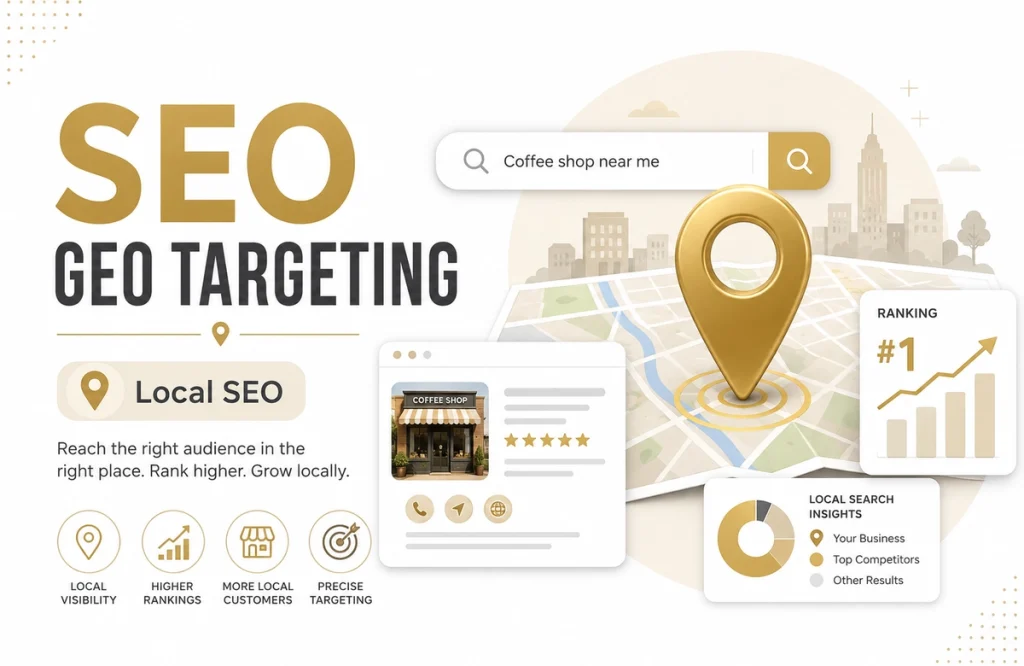
SEO geo targeting is one part of Local SEO. It focuses on using location-based keywords, content, and pages to reach a specific geographic audience.
Local SEO is the full strategy. SEO geo targeting is one method used to support that strategy.
For example, if you offer services in Iligan City, Local SEO may include optimizing your Google Business Profile, collecting reviews, and improving your website. Geo targeting focuses on creating content that clearly connects your services with Iligan City and nearby areas.
How SEO Geo Targeting Works
SEO geo targeting works by adding location signals to your website. These signals help search engines understand where your business operates and who your content is meant for.
These signals can include:
- Location keywords
- City or area names in titles and headings
- Location-specific service pages
- Local blog topics
- Google Business Profile optimization
- Customer reviews
- Consistent contact details
- Local backlinks
- Image alt text with location context
- Internal links to local service pages
When these elements are used properly, your website becomes easier for search engines to understand. It also becomes more helpful for people searching in your area.
Where to Use Location Keywords
Location keywords should be added naturally. The goal is not to repeat the city name too many times. The goal is to help users and search engines understand where your service is available.
You can use location keywords in:
- SEO title
- Meta description
- Page URL
- H1 heading
- H2 headings when relevant
- First paragraph
- Service descriptions
- Image alt text
- Internal links
- Contact page
- Footer business details
- FAQ section
For example, this sounds natural:
Through SEO geo targeting, businesses in Iligan City can create content that reaches people searching for local services.
This sounds forced:
SEO geo targeting Iligan City is the best SEO geo targeting Iligan City strategy for businesses in Iligan City.
The first version is better because it is clear, readable, and helpful.
Best Practices for SEO Geo Targeting
1. Start With Local Keyword Research
Before creating content, you need to know how people search in your area. Local keyword research helps you find the terms your target audience actually uses.
Examples of local keywords include:
- SEO Content Specialist in Iligan City
- Local SEO services Philippines
- SEO content writing Iligan
- SEO writer in Iligan City
- Digital marketing services near me
- Content writing services for local businesses
The goal is not only to find keywords with high search volume. Some local keywords may have lower volume but stronger intent. These keywords can bring better leads because the searcher already knows what they need and where they need it.
2. Create Location-Specific Service Pages
If your business serves one main area, create a strong service page for that location. If you serve multiple areas, you can create separate pages for each important location.
For example:
- SEO Services in Iligan City
- SEO Content Writing in Iligan City
- Local SEO Services in the Philippines
- SEO Content Specialist for Small Businesses
Each page should be unique. Avoid copying the same content and only changing the city name. Google and users can recognize thin or repetitive content.
A good location page should include:
- The service you offer
- The location you serve
- Who the service is for
- Local problems or needs
- Your process
- Your experience
- Proof of work
- FAQs
- A clear call-to-action
This makes the page more useful and more likely to match local search intent.
3. Optimize Your Google Business Profile
If your business has a physical location or serves a specific area, your Google Business Profile should support your website.
Make sure your profile has:
- Correct business name
- Updated address or service area
- Phone number
- Website link
- Business hours
- Service categories
- Service descriptions
- Photos
- Reviews
- Business description
Your website and Google Business Profile should show the same business information. This helps build trust and consistency.
4. Write Content for Local Search Intent
Local users usually want clear and practical answers. They may want to know who offers the service, where it is available, how it works, and why they should trust the provider.
Instead of writing generic content, create topics that match local needs.
Examples:
- How Local SEO Helps Small Businesses in Iligan City
- Why Local Service Pages Matter for Small Businesses
- How to Choose an SEO Content Specialist in Iligan City
- SEO Content Writing Tips for Local Businesses
- Why Google Business Profile Matters for Local Visibility
These topics help your website build relevance around your service and location.
5. Show Real Experience and Expertise
EEAT stands for Experience, Expertise, Authoritativeness, and Trustworthiness. It is important because users want to know if they can trust your content.
For geo-targeted content, local experience can make your page stronger.
You can show EEAT by including:
- Your author name
- Your role or expertise
- Case studies
- Portfolio samples
- Client results
- Screenshots from SEO tools
- Testimonials
- Clear contact details
- Real examples from your work
- A simple explanation of your process
For example, if you are an SEO and GEO Content Specialist, you can mention your experience in keyword research, content optimization, Local SEO, AI visibility, and search-focused writing.
This helps the content feel more credible and less generic.
6. Keep Your Business Information Consistent
Your business name, address, phone number, website, and service details should be consistent across your online platforms.
This includes:
- Website
- Google Business Profile
- Facebook page
- LinkedIn profile
- Online directories
- Portfolio pages
- Local listings
If your details are different across platforms, users may get confused. Search engines may also have a harder time understanding which information is correct.
Consistency builds trust.
7. Use Internal Links to Support Local Pages
Internal links help users move through your website. They also help search engines understand the relationship between your pages.
For example, from a blog post about SEO geo targeting, you can link to:
- SEO Content Services
- Local SEO Services
- Case Study
- Contact Page
- Related blog posts about SEO writing or keyword research
Use simple and natural anchor text. Avoid forcing the same keyword repeatedly.
Good anchor text examples:
- SEO content services
- local SEO strategy
- content writing process
- contact me
- case study
Internal links make your website easier to explore and can support better rankings over time.
8. Collect Local Reviews and Testimonials
Reviews can help build trust with local users. They show that real people have worked with your business or used your service.
If you serve local clients, ask for honest feedback. You can feature short testimonials on your website, service pages, or case studies.
Good testimonials can answer questions like:
- Was the service helpful?
- Was the process smooth?
- Did the client get results?
- Would they recommend you?
This gives potential clients more confidence before contacting you.
9. Add FAQs Based on Local Questions
FAQs are useful because they answer common questions directly. They can also help your content match long-tail search queries.
For example:
- What is SEO geo targeting?
- How does geo targeting help local businesses?
- Do I need a separate page for each location?
- Is Google Business Profile important for Local SEO?
- How long does Local SEO take to work?
FAQs make your content more complete and easier for users to understand.
10. Track Your Local SEO Results
SEO geo targeting should be measured. Tracking helps you see which pages and keywords are bringing traffic, clicks, and leads.
You can monitor:
- Google Search Console clicks
- Search impressions
- Local keyword rankings
- Website visits by location
- Contact form submissions
- Calls
- Google Business Profile interactions
- Page performance
- Conversion rates
The goal is not just to get more visitors. The goal is to attract local visitors who are more likely to become leads or customers.
Common SEO Geo Targeting Mistakes
Using Too Many Location Keywords
Repeating your city name too often can make your content sound unnatural. Use location keywords only where they fit.
Copying the Same Page for Different Cities
Do not create duplicate pages with only the location changed. Each location page should have unique and helpful information.
Ignoring Search Intent
A page can include the right keyword but still fail if it does not answer what the user needs.
Not Updating Business Details
Old phone numbers, outdated addresses, and incorrect business hours can hurt trust.
Forgetting About Mobile Users
Many local searches happen on mobile. Your website should load fast, look clean, and make it easy for users to contact you.
Example of SEO Geo Targeting for a Local Service
Let’s say you are offering SEO content writing services in Iligan City.
A broad page may target:
SEO Content Specialist
A geo-targeted page may target:
SEO Content Specialist in Iligan City
The geo-targeted page can include:
- Your service description
- Your location
- Who you help
- Your SEO writing process
- Your experience
- Portfolio samples
- Case studies
- FAQs
- Contact form
This gives the page a clearer purpose. It also helps users quickly understand that your service is relevant to their location.
SEO Geo Targeting Checklist
Before publishing a geo-targeted page, check the following:
- Main keyword has location intent
- SEO title includes the keyword naturally
- Meta description is clear and helpful
- URL slug is short and readable
- H1 heading matches the page topic
- Location is mentioned naturally
- Content answers local search intent
- Business details are accurate
- Google Business Profile is optimized
- Internal links are added
- Testimonials or proof are included
- FAQs are helpful
- Images have descriptive alt text
- Contact option is easy to find
- Results are tracked in Google Search Console
Turning Local Searches Into Real Opportunities
SEO geo targeting helps local businesses reach people who are already searching in their area. Instead of competing for broad keywords, you can focus on location-based searches that are more relevant to your services.
For Local SEO, this means creating content that is clear, helpful, and specific to your target location. Use local keywords naturally, build strong service pages, optimize your Google Business Profile, and show real experience through proof, examples, and reviews.
When done properly, SEO geo targeting can help your website attract better traffic, build local trust, and generate more qualified inquiries.
Frequently Asked Questions
What is SEO geo targeting?
SEO geo targeting is the process of optimizing your website content for a specific location. It helps your site appear for searches connected to a city, region, service area, or local audience.
Why is SEO geo targeting important?
SEO geo targeting is important because it helps businesses reach users who are searching for services in a specific area. This can lead to more relevant traffic and better-quality leads.
What is an example of a geo-targeted keyword?
An example of a geo-targeted keyword is “SEO Content Specialist in Iligan City.” It includes both the service and the target location.
Is SEO geo targeting part of Local SEO?
Yes. SEO geo targeting is part of Local SEO. It focuses on using location-based keywords and content to improve visibility in local search results.
How do I optimize content for a local audience?
Use location keywords naturally, create helpful local content, optimize your Google Business Profile, keep your business details consistent, add internal links, and include proof such as reviews or case studies.
Should I create separate pages for different locations?
You can create separate pages if you genuinely serve those locations and can provide unique content for each page. Avoid copying the same content and only changing the city name.