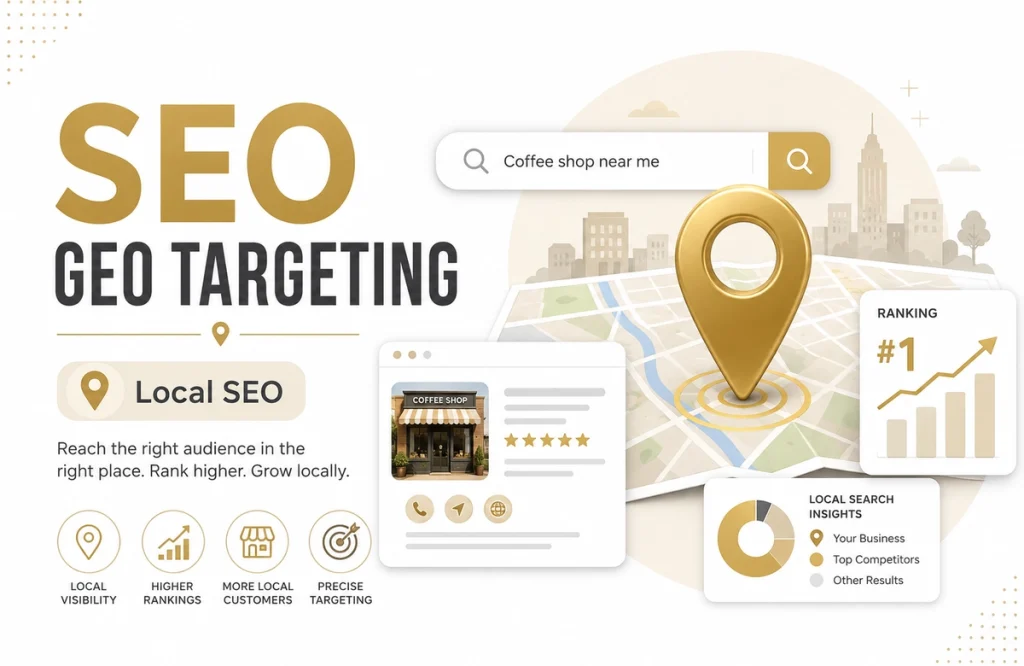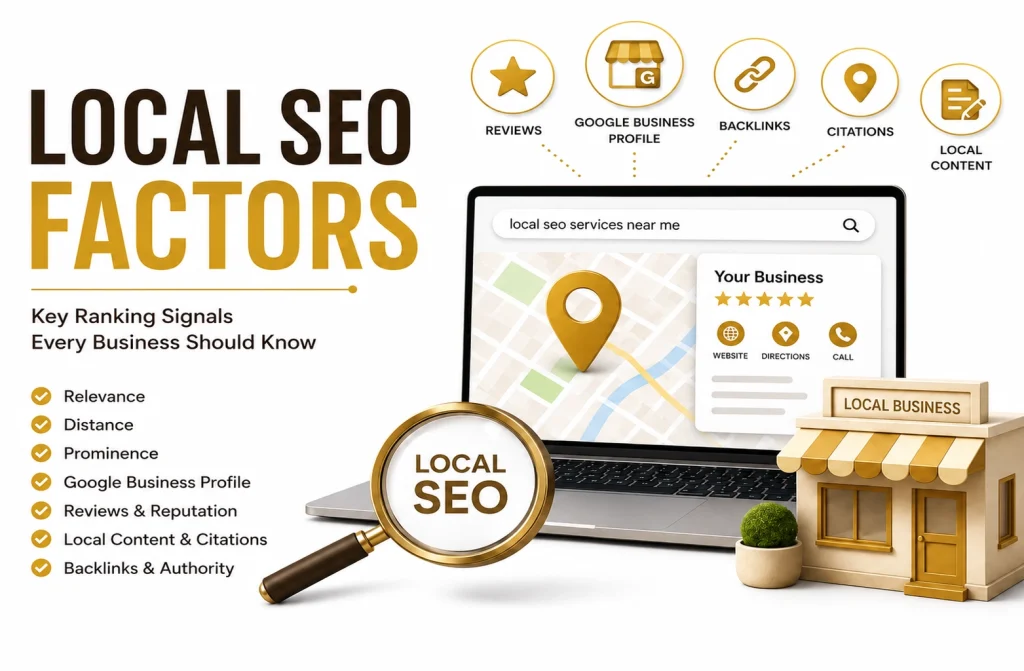
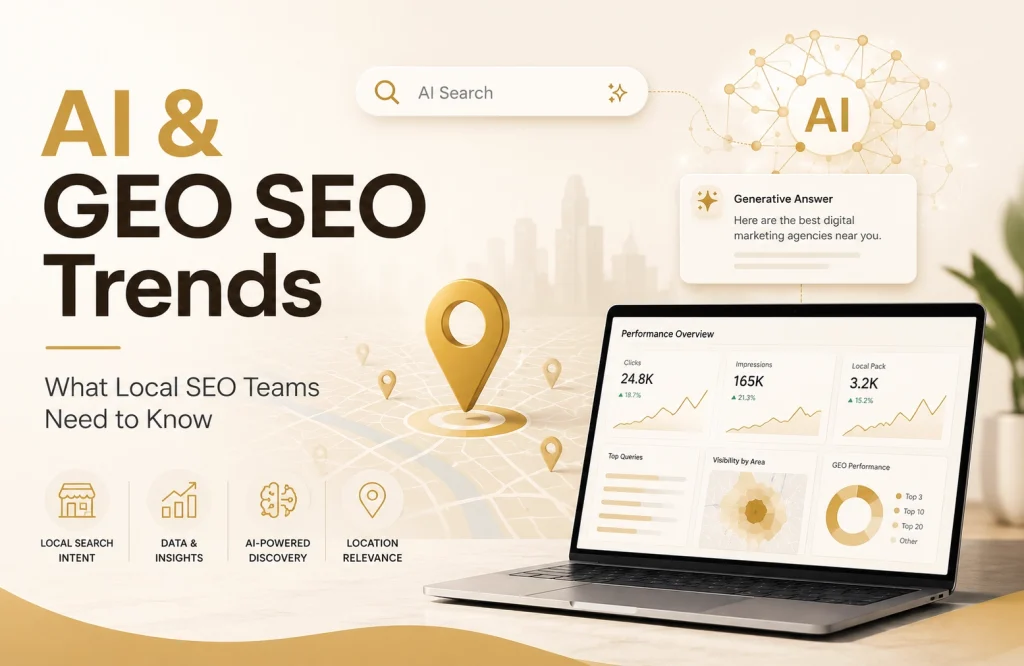
AI and GEO SEO trends are changing how local businesses appear in search results, AI Overviews, answer engines, and map-based searches. For local SEO teams, this means content must be helpful, location-focused, and easy for both users and AI systems to understand.
Search is no longer limited to traditional blue-link results. People now ask longer questions through Google, ChatGPT, Gemini, Perplexity, voice assistants, and AI-powered search tools. Instead of typing short keywords, users often ask full questions such as, “Who is the best local SEO specialist near me?” or “How can my business rank better in local search?”
These AI and GEO SEO trends are important because local customers now search through longer questions, voice prompts, and AI-powered tools. If your content is not clear, trusted, and properly structured, your business may miss opportunities to appear in these new search experiences.
For local SEO, the goal is no longer just to rank. The goal is to be understood, trusted, and selected by both search engines and AI systems.
In this guide, we will discuss the most important AI and GEO SEO trends for local SEO and how local businesses can prepare for the future of search.
What Is GEO in SEO?
GEO stands for Generative Engine Optimization. It is the process of improving your content so AI-powered search tools can understand, summarize, and recommend your website or brand.
Traditional SEO focuses on helping web pages rank in search engine results. GEO focuses on helping content appear in AI-generated answers, summaries, and recommendations.
For example, a person may search:
“Best local SEO specialist in Iligan City for small businesses.”
In traditional search, Google may show websites, local listings, blog posts, and Google Business Profile results. In AI-powered search, the system may summarize the best options and mention specific businesses, experts, or websites.
This is where GEO becomes important.
For local SEO, GEO includes:
- Clear location signals
- Accurate business information
- Helpful answers to local questions
- Strong EEAT signals
- Reviews and reputation signals
- Structured data
- Consistent brand mentions
- Useful service pages
- Content written for real people
GEO does not replace SEO. It works with SEO. If your website already follows strong SEO basics, GEO helps make your content more useful for AI-powered search.
Why AI and GEO Matter for Local SEO
Local search depends on trust, relevance, and location. Search engines want to show results that are close, useful, and reliable.
AI search makes this even more important.
When AI systems create answers, they may use information from websites, business profiles, reviews, directories, articles, and other public sources. If your business details are outdated or your content is too generic, AI systems may not understand your brand clearly.
For example, a local dental clinic with complete service pages, updated business details, strong reviews, and helpful FAQs has a better chance of being understood than a clinic with thin content and incomplete local listings.
The same idea applies to SEO specialists, service providers, clinics, agencies, restaurants, shops, and other local businesses.
Understanding AI and GEO SEO trends helps local SEO teams prepare content that can perform in both traditional search and AI-generated answers.
AI and GEO SEO Trends Local Businesses Should Watch
The future of local SEO is not about using AI to create more content faster. It is about creating better content that search engines and AI tools can trust.
Below are the most important trends local SEO teams should focus on.
1. Search Is Becoming More Conversational
People are using longer and more natural search queries. They are not only typing keywords. They are asking questions.
Instead of searching:
“local SEO Iligan”
They may ask:
“What local SEO strategy works best for a small business in Iligan City?”
or
“Who can help my business appear in Google Maps and AI search?”
This shift matters because AI-powered search tools are designed to understand full questions. They look at search intent, context, and meaning.
To adapt, your content should answer real questions clearly. Use simple headings, direct answers, and natural language.
Related terms to use naturally:
- AI search visibility
- Generative engine optimization
- Local SEO strategy
- Google AI results
- Answer engine optimization
- Local search intent
- AI-powered search
- Local business visibility
This helps your content match how people search today.
2. Helpful Content Is Still the Foundation
AI search does not remove the need for helpful content. In fact, helpful content is more important than ever.
Google has said that SEO best practices still matter for generative AI search. This means your content should be written for people first, not just search engines. You can also review Google Search Central’s helpful content guidance to better understand what useful, reliable, people-first content means.
For local SEO, helpful content should include:
- Clear answers
- Local examples
- Service area details
- Real customer problems
- Practical steps
- Original insights
- Updated information
- Author experience
- FAQs based on real search intent
For example, a generic article about SEO may explain what SEO means. But a stronger local SEO article explains how SEO helps businesses in Iligan City, Cagayan de Oro, Cebu, Manila, or nearby markets attract local customers.
Helpful content answers the reader’s question and gives them the next useful step.
3. EEAT Signals Are Becoming More Important
EEAT stands for Experience, Expertise, Authoritativeness, and Trustworthiness.
For local SEO and GEO, EEAT helps search engines and AI tools understand why your content should be trusted.
A strong local SEO page should include:
- A clear author name
- Author background
- Real experience
- Updated publish date
- Contact information
- Service area details
- Case studies or sample results
- Clear explanations
- Internal links to related pages
For this website, the article should show that it was written by Denaphoe Seblero, an SEO Content Specialist with experience in SEO content writing, local SEO, and AI visibility strategy.
4. Local Entity Optimization Is Becoming More Valuable
Search engines and AI systems rely on entities. An entity is a specific person, place, brand, service, or topic.
For local SEO, important entities include:
- Business name
- Author name
- City
- Service area
- Main services
- Industry
- Website
- Reviews
- Social profiles
- Local directories
For example, this sentence gives clear entity signals:
“Denaphoe Seblero is an SEO Content Specialist in Iligan City offering SEO content writing, local SEO strategy, GEO content, and AI visibility optimization.”
This connects the person, location, service, and topic in one clear statement.
Entity clarity is one of the most useful AI and GEO SEO trends because AI systems need meaning, not just keywords.
5. Structured Data Helps Search Engines Understand Your Page
Structured data, also called schema markup, helps search engines understand your content better.
It does not guarantee first-page rankings, but it gives search engines clearer information about your page.
For this article, useful schema types include:
- Article schema
- FAQPage schema
- Person schema
- WebSite schema
- BreadcrumbList schema
For local SEO, schema can help connect your article to your name, website, services, and expertise.
Make sure the schema matches the visible content on the page. For example, if you add FAQ schema, the same FAQs should also appear in the article.
6. Google Business Profile Still Matters
Google Business Profile remains one of the most important local SEO assets.
Even as AI search grows, your business profile helps Google understand your services, location, hours, photos, and reviews.
Local businesses should keep these details updated:
- Business name
- Address or service area
- Phone number
- Website link
- Business hours
- Services
- Photos
- Reviews
- Business description
- Questions and answers
Your website and Google Business Profile should also match. If one page says one thing and another listing says something different, it may reduce trust.
For service providers, your profile should clearly explain what you do and who you help.
“SEO Content Specialist helping local businesses improve Google rankings, local search visibility, and AI search presence.”
7. Reviews Can Support AI Trust Signals
Reviews are not only for customers. They also help search engines and AI systems understand reputation.
Good review signals include:
- Recent reviews
- Specific service mentions
- Location mentions
- Natural language
- Positive customer experience
- Consistent reputation across platforms
For example, a review that says, “Denaphoe helped improve our local SEO content and Google visibility” is more useful than a short review that only says, “Great service.”
Encourage honest and specific client reviews. Do not use fake reviews or copied review templates. Real customer feedback is more valuable for long-term trust.
8. Content Must Be Answer-Ready
AI-powered search often uses short, clear answers. This means your content should be easy to scan and summarize.
Answer-ready content usually includes:
- Clear headings
- Short paragraphs
- Direct definitions
- Simple explanations
- Bullet points
- FAQs
- Step-by-step sections
- Natural language
For example, instead of writing a long introduction before explaining GEO, start with a direct answer:
“GEO, or Generative Engine Optimization, is the process of improving content so AI-powered search tools can understand, summarize, and recommend it.”
Then explain the topic in more detail. This helps both readers and AI systems understand your content faster.
9. Local Content Needs Real Specificity
Generic SEO content is easy to create. Specific local content is harder to copy.
That is why local details matter.
Instead of writing:
“Local SEO helps businesses get more customers.”
Write:
“Local SEO helps businesses in Iligan City, Cagayan de Oro, and nearby areas appear when customers search for nearby services, directions, reviews, and trusted providers.”
This version is stronger because it gives clear local signals.
You can add local specificity through:
- City names
- Service areas
- Local search behavior
- Local examples
- Customer concerns
- Local case studies
- Local FAQs
The more specific and useful your content is, the easier it is for users and search systems to understand its value.
10. Brand Mentions Are Becoming More Important
Backlinks are still important for SEO. But brand mentions are also becoming more valuable in AI search.
A brand mention happens when another website mentions your name, business, or service, even without linking to your website.
For local SEO, brand mentions can come from:
- Local directories
- Guest posts
- Client websites
- Business listings
- Local blogs
- Community pages
- Social media profiles
- Professional portfolios
For example, if several trusted pages mention “Denaphoe Seblero” together with “SEO Content Specialist,” “local SEO,” and “Iligan City,” AI systems can better understand your expertise and location.
This is one of the AI and GEO SEO trends local professionals should not ignore.
11. AI Search May Change How SEO Performance Is Measured
AI search may reduce some website clicks because users can get answers directly in search results.
This does not mean SEO is no longer useful. It means local SEO teams need to track more than traffic.
Useful metrics include:
- Branded searches
- Google Business Profile views
- Calls
- Contact form submissions
- Direction requests
- Local pack rankings
- Featured snippets
- AI mentions
- Review growth
- Service page engagement
- Lead quality
If website traffic goes down but calls and inquiries increase, your SEO may still be working.
The goal of local SEO is not only more clicks. The goal is more qualified leads.
12. Human Editing Will Make AI-Assisted Content Stronger
AI tools can help with research, outlines, topic ideas, and first drafts. But human editing is still important.
Human editing adds:
- Local context
- Real experience
- Brand voice
- Accuracy
- Better flow
- Original examples
- Trust signals
- Search intent matching
AI-assisted content can be useful, but it should not sound generic. A human editor should improve the article, check the facts, add examples, and make sure it fits the target audience.
For local SEO, this matters because people want practical and trustworthy advice.
The best approach is not AI-only content. It is AI-assisted and human-led content.
How Local SEO Teams Can Prepare for AI and GEO SEO
The most important AI and GEO SEO trends all point to one thing: local content must be clear, trusted, and useful.
Here are practical steps local SEO teams can take now.
1. Improve Your Core Service Pages
Each service page should explain:
- What the service is
- Who it is for
- Where it is available
- What problem it solves
- Why your business is qualified
- What users should do next
Avoid thin service pages with only a few lines of text. A strong service page should answer the questions customers ask before they contact you.
2. Add FAQ Sections
FAQs help users and search engines understand your content.
Good questions for this topic include:
- What is GEO in SEO?
- How does AI affect local SEO?
- Is traditional SEO still important?
- How can small businesses prepare for AI search?
- Does Google Business Profile still matter?
Keep answers short, clear, and helpful.
3. Strengthen Internal Links
Internal links help search engines understand your website structure.
If you need help creating SEO content that supports local search and AI visibility, visit my SEO services page or learn more about my background on the About page.
You can also explore my case study page to see how SEO content and search visibility strategies can support business growth. For inquiries, visit my contact page.
4. Add a Relevant Featured Image
Add the featured image near the top of the article, preferably after the introduction.
Use this file name: ai-and-geo-seo-trends-local-seo.jpg
Use this alt text: AI and GEO SEO trends for local SEO strategy
This helps fix the image and keyphrase in image alt attribute checks.
5. Add Schema Markup
Add Article schema and FAQPage schema to the post. Schema helps search engines understand your article, author, website, and FAQ content.
Make sure the schema matches the visible content on the page.
6. Refresh Older Blog Posts
Older content can still help your site if it is updated.
Improve old blog posts by adding:
- Better headings
- Updated examples
- Internal links
- FAQs
- Schema markup
- Author information
- Current search trends
Refreshing old content can be easier than writing a new article from scratch.
Common Mistakes to Avoid
Many businesses chase AI SEO trends without fixing their SEO foundation first.
Avoid these mistakes:
- Publishing generic AI content without editing
- Stuffing the same keyword too many times
- Ignoring Google Business Profile
- Using fake reviews
- Forgetting local details
- Skipping schema markup
- Not adding internal links
- Not adding external references
- Writing only for search engines
- Measuring only traffic and rankings
Strong GEO starts with strong SEO.
What These AI and GEO SEO Trends Mean for Local SEO
AI search is changing how people discover local businesses, services, and experts. But the goal of SEO is still the same: help people find the best answer.
For local SEO teams, the best strategy is to combine traditional SEO with GEO-friendly content.
Focus on helpful writing, strong local signals, EEAT, structured data, reviews, and clear answers. Make your website easy for both people and AI systems to understand.
GEO is not about tricking AI. It is about making your expertise clearer, more useful, and easier to trust.
The local businesses that prepare early for these AI and GEO SEO trends will have a stronger chance of being seen in both traditional search results and AI-powered search experiences.
Frequently Asked Questions
What is GEO in SEO?
GEO stands for Generative Engine Optimization. It is the process of improving your content so AI-powered search tools can understand, summarize, and recommend your website or brand.
Is GEO replacing traditional SEO?
No. GEO is not replacing traditional SEO. It builds on SEO basics such as helpful content, technical SEO, internal links, structured data, backlinks, reviews, and good user experience.
How does AI affect local SEO?
AI affects local SEO by changing how users find answers. Instead of only clicking search results, users may get AI-generated summaries that mention local businesses, services, and experts.
What is the best way to prepare for AI search?
The best way to prepare is to create helpful, clear, and trusted content. Add local details, answer real customer questions, improve your Google Business Profile, and use schema markup.
Does Google Business Profile still matter for GEO?
Yes. Google Business Profile still matters because it helps search engines and users understand your business details, services, location, hours, photos, and reviews.
Can AI-assisted content rank on Google?
Yes, AI-assisted content can rank if it is helpful, accurate, original, and written for people. Content made only to manipulate rankings is not a strong long-term strategy.
Why is EEAT important for AI and GEO SEO?
EEAT helps show that your content is based on experience, expertise, authority, and trust. This is important when AI systems choose which sources to summarize or recommend.
What schema should I use for this article?
Use Article schema, FAQPage schema, BreadcrumbList schema, WebSite schema, and Person schema for the author.