Search is changing fast. A few years ago, most businesses only focused on one thing: ranking higher on Google. If your website appeared on the first page, especially near the top, you had a better chance of getting clicks, inquiries, and customers.
That still matters today. But search is no longer limited to traditional blue links.
People now ask full questions on Google. They look at featured snippets. They use voice search. They read AI-generated summaries. They ask tools like ChatGPT, Gemini, and Perplexity for recommendations, comparisons, and explanations. For local businesses, this means visibility is no longer just about “ranking on Google.” It is also about becoming the clear answer and being understood by AI-powered search systems.
This is where SEO, GEO, and AEO come in.
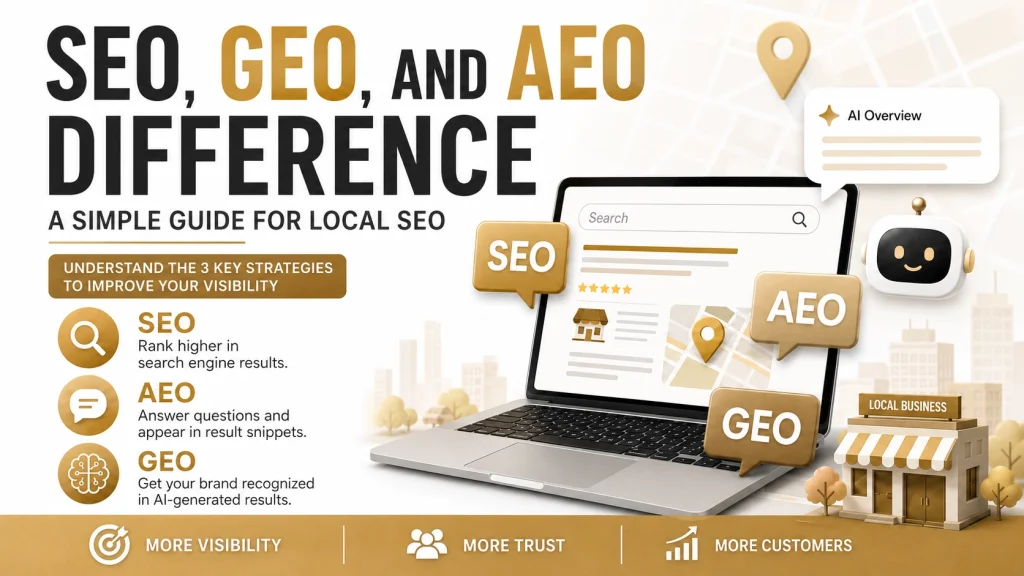
If you have been searching for the SEO GEO AEO difference, the simple explanation is this: SEO helps your website rank, AEO helps your content answer questions directly, and GEO helps your brand appear in AI-generated search results.
For local SEO, all three are becoming important.
What Is SEO?
SEO stands for Search Engine Optimization. It is the process of improving your website so search engines can understand your content and show it to people who are searching for related topics, products, or services.
For example, if someone searches for:
“SEO specialist in the Philippines”
“local SEO services near me”
“content writer for SEO agencies”
“best dentist in Iligan City”
“coffee shop near me”
SEO helps your website appear for those searches.
A good SEO strategy usually includes keyword research, content writing, on-page optimization, internal linking, technical SEO, local SEO, and content updates. It also includes making sure your website is easy to navigate, loads properly, and provides helpful information.
For local businesses, SEO is especially important because people often search with local intent. They are not just looking for general information. They are looking for a provider, service, store, clinic, restaurant, or professional they can contact.
Local SEO usually focuses on your website, Google Business Profile, reviews, location pages, service pages, and local content. The goal is to help your business appear when people in your target area are ready to take action.
What Is AEO?
AEO stands for Answer Engine Optimization. It focuses on creating content that gives clear, direct answers to specific questions.
This matters because people do not always search using short keywords anymore. Many users now search using complete questions, such as:
“What is the difference between SEO and AEO?”
“How does local SEO help small businesses?”
“How long does SEO content take to rank?”
“What is GEO in digital marketing?”
“Do I need SEO if I already have a Google Business Profile?”
AEO helps your content become useful for featured snippets, FAQ results, voice search, and other answer-based search experiences.
For example, instead of writing a vague introduction before answering the main topic, an AEO-friendly article gives the answer early and clearly.
A weak answer might say:
“SEO, GEO, and AEO are important parts of digital marketing that businesses should understand.”
A stronger AEO-friendly answer would say:
“SEO helps websites rank in search results, AEO helps content appear as direct answers, and GEO helps brands become visible in AI-generated search responses.”
The second answer is clearer, more useful, and easier for both users and search engines to understand.
What Is GEO?
GEO stands for Generative Engine Optimization. It focuses on making your content and brand easier for AI-powered search tools to understand, summarize, and reference.
Generative engines include AI search experiences and tools that create answers instead of only showing a list of links. These tools may pull information from different sources, summarize it, compare options, or recommend businesses based on available content.
For example, a user might ask an AI tool:
“Who are good SEO content specialists in the Philippines?”
“What should I look for when hiring a local SEO writer?”
“Explain SEO, GEO, and AEO in simple terms.”
“Give me a local SEO strategy for a small business.”
If your website clearly explains your services, experience, location, case studies, and expertise, AI tools may better understand what your brand is about.
GEO is not about manipulating AI results. It is about making your online presence clear, credible, and easy to interpret.
For a local business or personal brand, GEO can include strong author information, service pages, case studies, detailed explanations, original insights, FAQs, and consistent business details across the web.
SEO vs GEO vs AEO: The Main Difference
The main difference between SEO, GEO, and AEO is the type of visibility they focus on.
SEO focuses on search engine rankings.
AEO focuses on direct answers.
GEO focuses on AI-generated search visibility.
Here is a simple comparison:
| Term | Meaning | Main Goal | Best Used For |
| SEO | Search Engine Optimization | Rank in search results | Blog posts, service pages, local pages |
| AEO | Answer Engine Optimization | Provide direct answers | FAQs, featured snippets, voice search |
| GEO | Generative Engine Optimization | Appear in AI-generated answers | AI search, brand mentions, topic authority |
Think of it this way:
SEO helps people find your website.
AEO helps people get a clear answer from your content.
GEO helps AI systems understand and mention your brand.
For the best results, you should not treat them as separate strategies. They work better together.
Why SEO, GEO, and AEO Matter for Local SEO
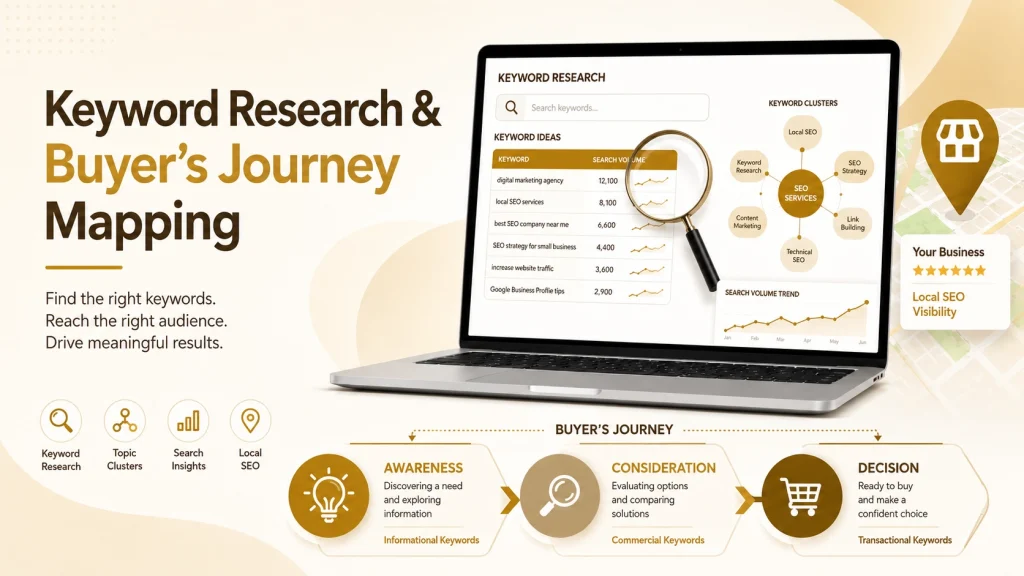
Local SEO is not only about ranking for “near me” searches. It is about showing up whenever potential customers are looking for information, comparing options, or deciding who to trust.
A customer might start with a broad search like:
“What is local SEO?”
Then they might search:
“local SEO services Philippines”
After that, they might ask:
“How do I choose an SEO specialist?”
Finally, they may compare providers, read case studies, check reviews, and visit websites.
This means your content needs to support different stages of the customer journey. SEO helps your pages appear in search. AEO helps you answer their questions quickly. GEO helps your expertise become easier to understand in AI-powered search environments.
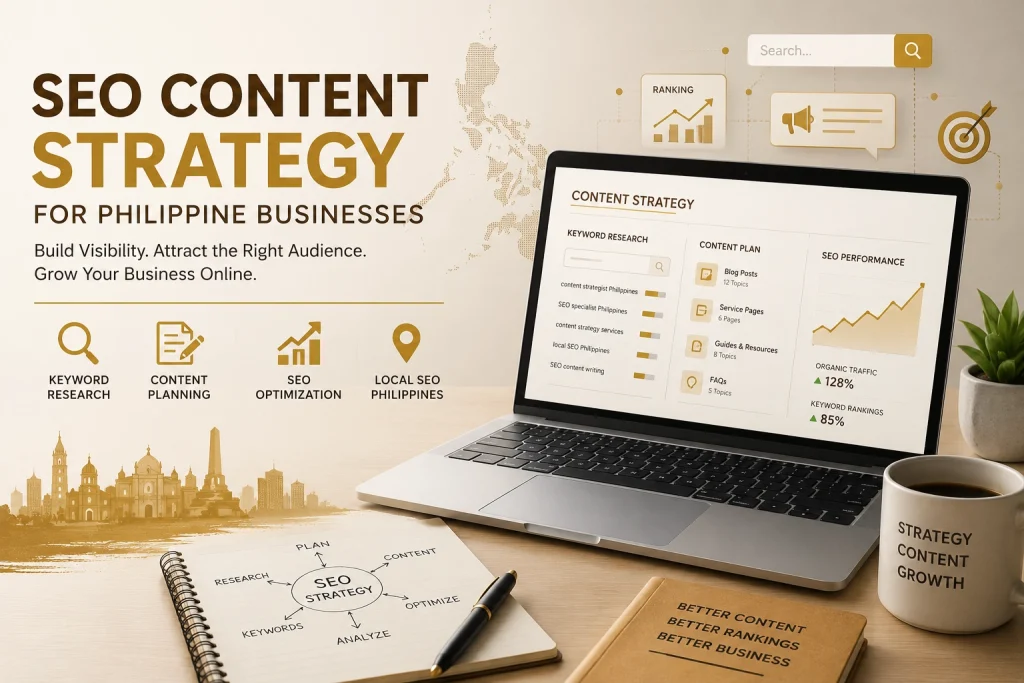
For example, if you are a local SEO content writer in the Philippines, your website should not only say that you offer SEO content services. It should also explain your process, show examples, answer common client questions, include case studies, and make your location and expertise clear.
This builds trust with both users and search systems.
How SEO Helps Local Businesses Rank
SEO gives your website a strong foundation. Without SEO, your content may not be discovered by search engines or potential customers.
For local businesses, SEO usually starts with understanding what your audience is searching for. This includes keywords related to your service, location, problem, price, and decision-making process.
For example, a local service business may target keywords like:
“local SEO services”
“SEO content writer Philippines”
“affordable SEO services for small businesses”
“content marketing strategy for local businesses”
“SEO specialist in Iligan City”
After finding the right keywords, the next step is creating pages that match the user’s intent. A person searching “what is local SEO” needs an educational article. A person searching “hire SEO content writer Philippines” is likely closer to making an inquiry.
This is why keyword research and search intent matter. Ranking is not only about using the keyword many times. It is about giving the right answer to the right person at the right stage.
How AEO Makes Your Content More Helpful
AEO improves your content by making it easier to scan, understand, and use.
This is important because online readers often want quick answers. They may not read the whole article from top to bottom. They look for the section that answers their question.
To optimize for AEO, use clear headings, short definitions, direct answers, and FAQ sections.
For example, a blog post about local SEO can include questions like:
“What is local SEO?”
“Why is local SEO important?”
“How long does local SEO take?”
“How much does local SEO cost?”
“What is the difference between SEO and local SEO?”
These headings match how people naturally search.
AEO also helps with voice search. When users ask voice assistants a question, the system usually looks for a clear and concise answer. If your content is structured well, it has a better chance of being selected or understood.
For local businesses, AEO can improve trust because it removes confusion. When people find useful answers on your website, they are more likely to see you as credible.
How GEO Builds Visibility in AI Search
GEO is becoming more important because many users now rely on AI tools to explain topics, compare services, and summarize options.
Unlike traditional SEO, where the goal is often to rank a page, GEO focuses on how well your content and brand can be understood by AI systems.
To improve GEO, your website should clearly answer these questions:
Who are you?
What do you offer?
Who do you help?
Where are you located?
What experience do you have?
What makes your process different?
What proof or examples can support your claims?
For example, a weak service page might say:
“I offer SEO content writing services for businesses.”
A stronger GEO-friendly version would say:
“I provide SEO content writing services for agencies, GEO specialists, and local business owners who need search-intent-focused blog posts, landing pages, website copy, and case studies designed to improve organic visibility.”
The second version gives more context. It tells users and AI systems what you do, who you help, and what type of content you create.
EEAT: Why Trust Matters Across SEO, GEO, and AEO
EEAT stands for Experience, Expertise, Authoritativeness, and Trustworthiness. It is important because search engines and users both want reliable content.
For SEO, EEAT helps show that your content deserves to rank.
For AEO, EEAT helps make your answers more credible.
For GEO, EEAT helps AI systems better understand why your brand or content may be worth referencing.
A local business website can improve EEAT by adding:
Author bio
Real business details
Case studies
Client results
Testimonials
Clear contact information
Updated content
Original insights
Transparent service process
Relevant internal links
For a personal portfolio website, EEAT is especially important. Potential clients want to know who they are working with. They want to see your experience, your writing process, your results, and your understanding of their market.
This is why your website should include more than general SEO advice. It should include examples from your work, case studies, and content that reflects your actual expertise.
How to Optimize a Blog Post for SEO, GEO, and AEO
A strong blog post can support all three strategies if it is planned properly.
Start with SEO by choosing one primary keyword and a few related keywords. For example, for this topic, the primary keyword is “seo geo aeo difference.” Related keywords may include “SEO vs GEO vs AEO,” “what is GEO in SEO,” “what is AEO,” and “AI search optimization.”
Next, optimize for AEO by answering the main question early in the article. Do not make readers wait too long before explaining the difference.
Then, optimize for GEO by adding context, examples, experience, and clear explanations. Avoid generic content that sounds like every other article online.
A good structure may include:
Clear H1 title
Short introduction
Quick answer section
Definitions of SEO, GEO, and AEO
Comparison table
Local SEO examples
EEAT section
Practical checklist
FAQs
This structure makes the content easier for readers, search engines, and AI systems to understand.
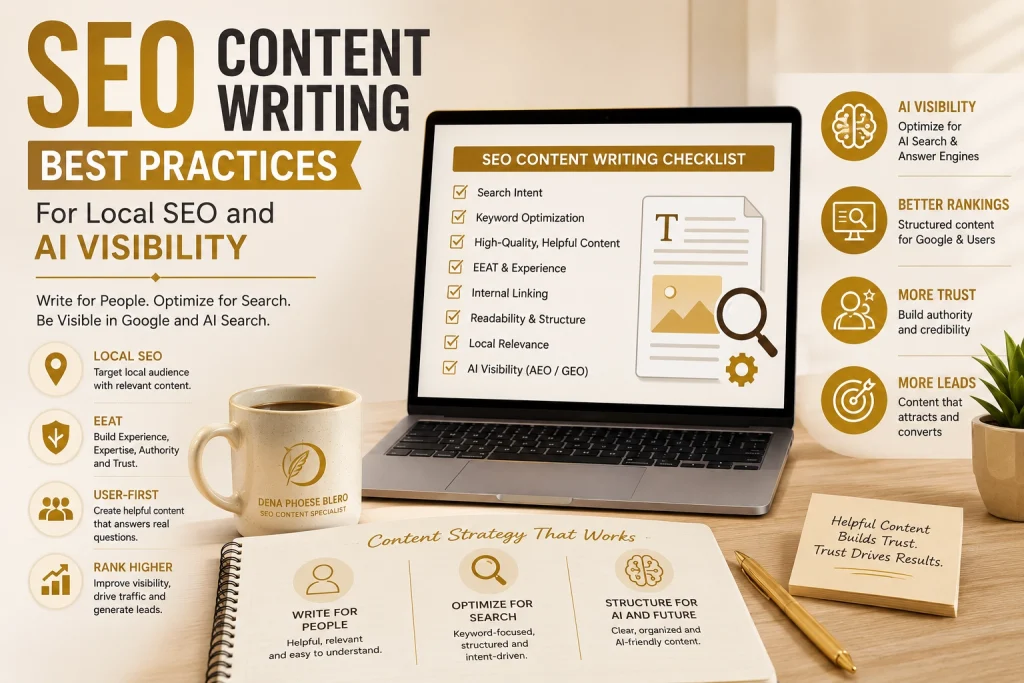
Simple Checklist for Local SEO Content
Use this checklist when creating content for SEO, GEO, and AEO:
Choose a keyword with clear search intent.
Answer the main question near the top.
Use natural language instead of keyword stuffing.
Add local examples when relevant.
Include question-based headings.
Use internal links to related pages.
Add an FAQ section.
Mention your expertise or experience naturally.
Keep business details consistent.
Update the content when search behavior changes.
The goal is not to write for algorithms only. The goal is to create content that real people find useful and that search systems can easily understand.
Which Should You Focus on First?
If your website is new, start with SEO. You need a strong foundation before focusing heavily on AEO or GEO.
Make sure your pages are indexed, your content targets the right keywords, and your website clearly explains what you offer.
After that, improve your AEO by adding direct answers, FAQs, and question-based sections.
Then strengthen your GEO by building topical authority, improving your author information, adding case studies, and making your expertise easier to understand.
The best strategy is not choosing between SEO, GEO, and AEO. The best strategy is using them together.
Frequently Asked Questions
What is the main difference between SEO, GEO, and AEO?
The main difference is their focus. SEO focuses on ranking in search results, AEO focuses on answering questions directly, and GEO focuses on visibility in AI-generated search responses.
Is GEO the same as SEO?
No. GEO is related to SEO, but it is not the same. SEO focuses on traditional search engines, while GEO focuses on how AI-powered search tools understand and mention your content or brand.
Is AEO important for local SEO?
Yes. AEO is important for local SEO because many customers search using questions. Answering those questions clearly can help your website become more useful and trustworthy.
Can SEO, GEO, and AEO work together?
Yes. They work best together. SEO helps your content get discovered, AEO helps it answer user questions, and GEO helps AI tools understand your expertise.
Which is more important: SEO, GEO, or AEO?
SEO should usually come first because it gives your website a strong foundation. Once your SEO is in place, AEO and GEO can help expand your visibility across answer-based and AI-powered search experiences.
How can local businesses prepare for AI search?
Local businesses can prepare for AI search by creating helpful content, adding clear service information, improving author and business details, publishing case studies, answering common customer questions, and keeping information consistent across the web.